Anti Fatigue Mats Benefits: Do They Really Work?
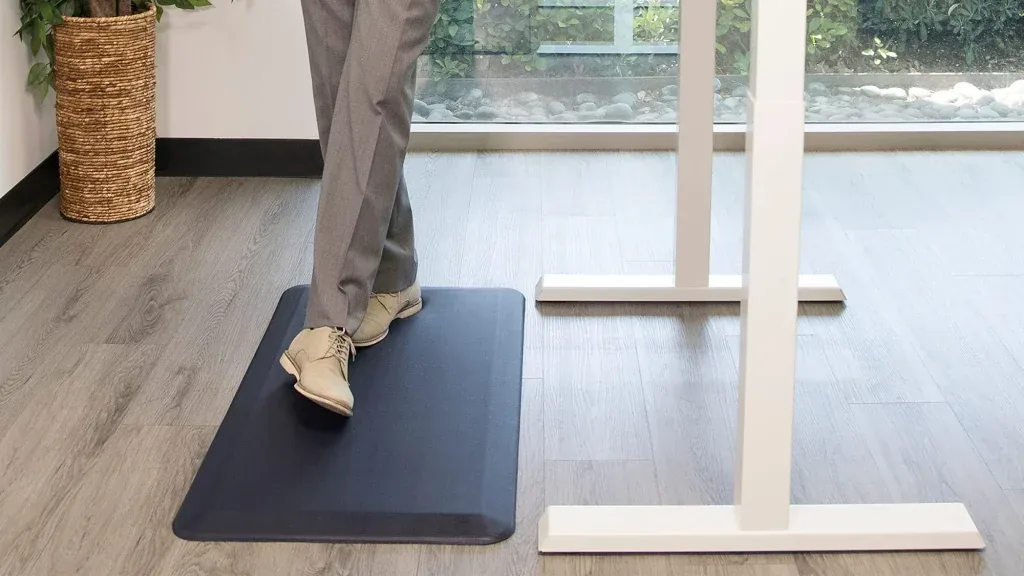
Standing for long periods places continuous stress on your body, even if you’re not actively moving. The pressure builds in your feet, travels up through your legs, and eventually affects your lower back and posture. Anti-fatigue mats are designed to interrupt this process, but understanding their real benefits requires looking beyond marketing claims.
This guide breaks down the actual anti-fatigue mats’ benefits, how they work, and whether they are worth using in real-world situations. Instead of listing surface-level advantages, we’ll look at the physiological and practical impact these mats have on your body and daily performance.
What Are Anti-Fatigue Mats and How Do They Work
Anti-fatigue mats are engineered surfaces designed to reduce the physical strain caused by standing on hard floors. Unlike standard rugs or carpets, they are built with materials that create slight instability under your feet. This instability isn’t enough to affect balance, but it forces your muscles to engage continuously.
When you stand on a hard surface, your muscles remain static. Blood flow slows down because your body isn’t actively contracting and releasing muscles. This leads to fatigue, stiffness, and eventually discomfort. Anti-fatigue mats introduce a cushioning effect that encourages subtle movements. These micro-adjustments activate muscles in your legs and feet, which helps maintain circulation and reduces strain.
The key benefit comes from constant low-level muscle engagement. Your body naturally shifts position to maintain balance on a slightly soft surface. This prevents muscles from locking in place and reduces the buildup of pressure in specific areas. Over time, this reduces fatigue and helps maintain comfort even during long periods of standing.
Benefits of Anti-Fatigue Mats for Standing All Day
Reduced Foot and Leg Fatigue
One of the most immediate benefits is reduced fatigue in the feet and legs. The cushioning absorbs impact and redistributes pressure more evenly. Instead of your weight being concentrated on specific points, it spreads across a larger surface area. This makes a noticeable difference in environments where standing is continuous, such as kitchens or retail counters.
Improved Circulation and Blood Flow
Improved circulation is a direct result of increased muscle activity. When muscles contract and relax, they help pump blood back toward the heart. This reduces the feeling of heaviness in the legs and lowers the risk of swelling.
Anti-Fatigue Mats for Back Pain Relief
Lower back pain is often linked to prolonged standing on hard surfaces. Anti-fatigue mats help by reducing the strain that travels upward from your feet. The cushioning effect encourages slight posture adjustments, which reduces pressure on the spine. Over time, this can lead to noticeable improvements in comfort.
Better Posture and Spinal Alignment
Standing on a slightly cushioned surface encourages a more natural posture. Instead of locking your knees or leaning forward, your body remains more balanced. This reduces stress on joints and supports better spinal alignment throughout the day.
Anti-Fatigue Mats for Standing Desk Users
Standing desks have become more common, but many users underestimate the strain of standing without support. Anti-fatigue mats play a crucial role in making standing desks sustainable over long periods.
When your feet and legs begin to fatigue, your focus shifts away from your work. Anti-fatigue mats reduce this discomfort, allowing you to maintain concentration for longer periods. Using a standing desk without proper support can also lead to joint strain over time. Anti-fatigue mats help mitigate this by reducing impact and encouraging movement, which supports long-term joint health.
Do Anti Fatigue Mats Work in Real-World Environments?
Kitchens and Home Use
In kitchens, standing is often combined with repetitive movements. Anti-fatigue mats reduce strain during cooking and food preparation, making long sessions more manageable.
Retail and Warehouse Settings
In retail and warehouse environments, workers often stand in fixed positions. Mats help reduce fatigue and improve comfort, which can translate into better performance and fewer breaks.
Industrial Workplaces
In industrial settings, anti-fatigue mats are often used alongside safety features. They provide both comfort and protection, especially in areas where workers stand for extended periods.
Anti-Fatigue Mats vs Hard Floors and Other Alternatives
Standing directly on hard floors provides no shock absorption. This leads to faster fatigue and increased strain on joints. Cushioned shoes offer some relief, but they don’t provide the same level of support as a dedicated mat. Rugs may feel soft, but they lack the structure needed to promote proper muscle engagement.
Anti-fatigue mats are specifically designed to balance cushioning and support, which makes them more effective than general alternatives.
Anti-Fatigue Mat Thickness and Material Explained
Foam mats are the most common and provide a balance of comfort and affordability. Gel mats offer a more responsive feel, while rubber mats are typically used in industrial settings due to their durability.
Thickness affects both comfort and stability. Mats that are too thin do not provide enough cushioning, while overly thick mats can feel unstable. A thickness range of 0.5 to 1 inch is generally ideal for most users, providing enough support without compromising balance.
Are Anti-Fatigue Mats Worth It?
The value of anti-fatigue mats depends on how often you stand and the conditions you stand in.
For individuals who spend several hours on their feet daily, the benefits are noticeable. Reduced fatigue, improved comfort, and better posture contribute to both short-term relief and long-term health.
The cost is relatively low compared to the potential benefits, especially when considering reduced discomfort and increased productivity.
How to Choose the Right Anti-Fatigue Mat
Choosing the best standing mat involves more than picking the softest option. Size, material, and durability all play a role in effectiveness.
A mat should fit your workspace and provide enough coverage for natural movement. Non-slip backing is essential for safety, especially in kitchens or industrial environments. Durability is also important, as lower-quality mats can lose their effectiveness over time.
Frequently Asked Questions
Do anti-fatigue mats actually work?
Yes, anti-fatigue mats work by encouraging micro-movements that improve circulation and reduce muscle fatigue. Their effectiveness depends on proper usage and quality.
Are anti-fatigue mats good for back pain?
They can help reduce back pain by lowering the strain that travels from your feet to your spine during prolonged standing.
How long should you stand on an anti-fatigue mat?
They are designed for extended use, but it’s still recommended to alternate between sitting and standing to avoid prolonged strain.
What thickness is best for anti-fatigue mats?
A thickness between 0.5 and 1 inch provides a good balance between comfort and stability for most users.
Are anti-fatigue mats worth it for standing desks?
Yes, they significantly improve comfort and make standing desks more practical for long-term use.