7 Challenges in Open Plan Office Acoustics
Table of Contents
Open plan offices were designed to encourage collaboration, flexibility, and efficient use of space. In practice, however, they often introduce significant acoustic challenges that affect productivity, concentration, and overall employee well-being. Understanding these challenges is the first step toward creating work environments that balance openness with acoustic comfort.
Noise Distraction and Loss of Focus
One of the most common challenges in open-plan office acoustics is constant background noise. Conversations, phone calls, keyboard typing, printers, and office equipment all compete for attention. Unlike enclosed offices, open layouts allow sound to travel freely, making it difficult for employees to focus on cognitively demanding tasks.
Even moderate noise levels can interrupt concentration. Speech is particularly disruptive because the brain is naturally tuned to process language, making nearby conversations hard to ignore.
Lack of Speech Privacy
Speech privacy is a major concern in open offices. Employees may hesitate to discuss sensitive topics or participate fully in calls when they know their conversations can be overheard. This issue is especially problematic for HR teams, finance departments, legal staff, and anyone handling confidential information.
Poor speech privacy not only affects communication quality but can also create stress and discomfort, leading to reduced engagement and trust within the workplace.
Sound Reflection From Hard Surfaces
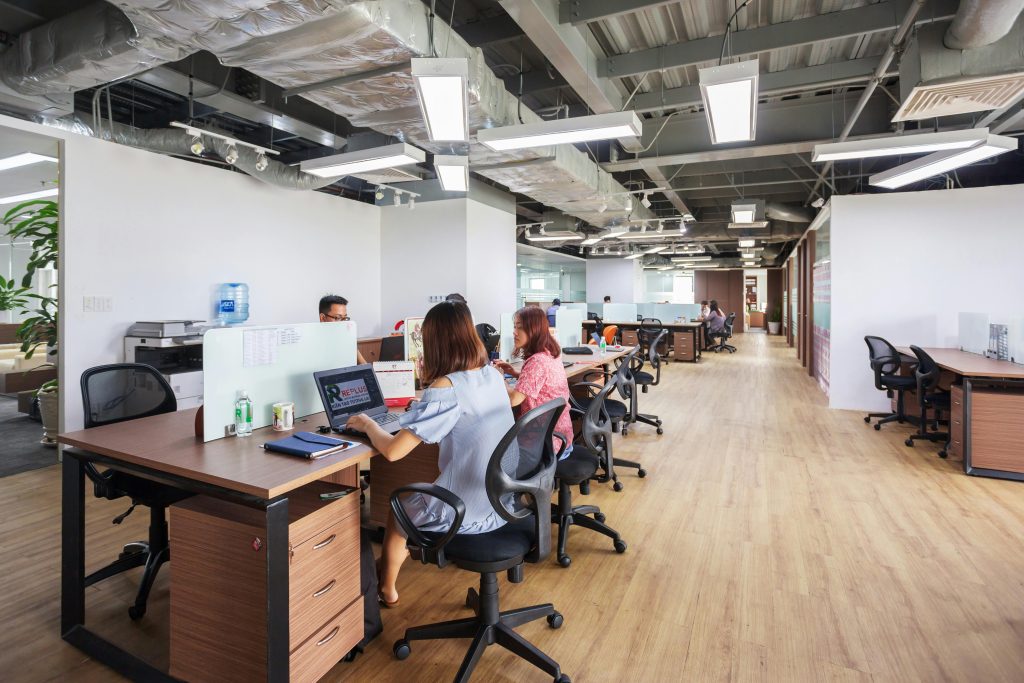
Open plan offices often feature hard surfaces such as glass walls, concrete floors, exposed ceilings, and minimal soft furnishings. While visually appealing, these materials reflect sound rather than absorbing it.
Excessive sound reflection increases reverberation, making spaces feel louder than they actually are. This reverberation blurs speech clarity, increases listening fatigue, and amplifies overall noise levels across the office.
Difficulty Zoning the Space
Acoustic zoning is challenging in open layouts. Without physical barriers, quiet work areas, collaborative zones, and social spaces often overlap acoustically. As a result, noise generated in one zone easily spills into another.
This lack of separation can create tension between teams with different work styles, such as those who need quiet focus versus those engaged in frequent collaboration.
Increased Stress and Fatigue
Prolonged exposure to noise contributes to higher stress levels and mental fatigue. Employees in noisy open-plan offices often report headaches, irritability, and difficulty maintaining energy throughout the day.
Over time, poor acoustics can impact job satisfaction, increase absenteeism, and contribute to burnout, making acoustic challenges a serious operational concern rather than a minor inconvenience.
One-Size-Fits-All Design Limitations
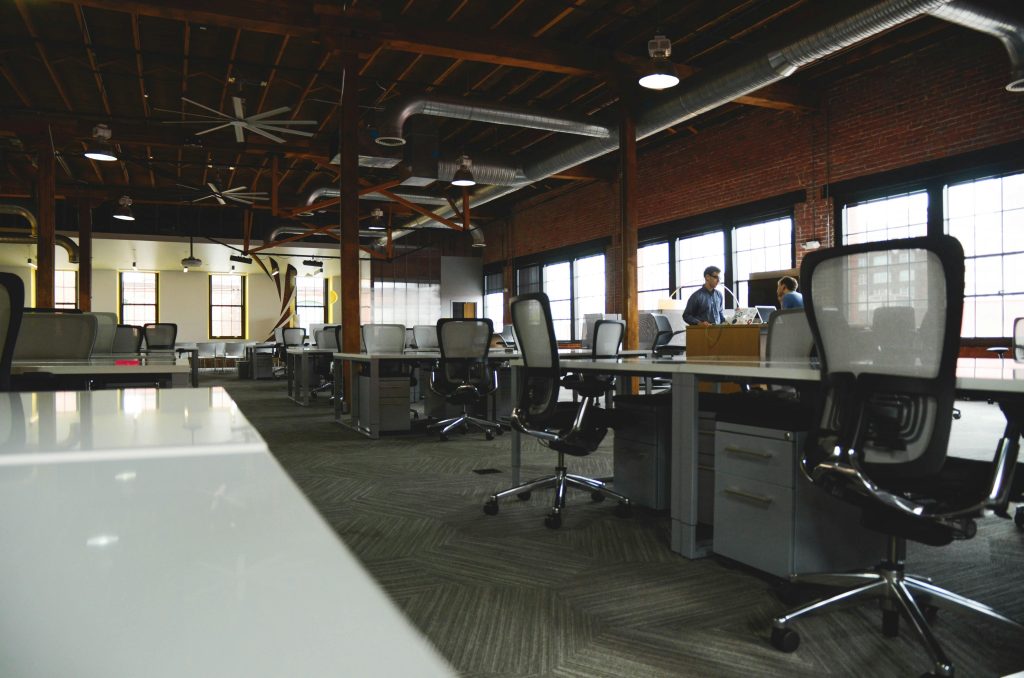
Many open offices are designed with a uniform layout that does not account for varied tasks and individual needs. Acoustic requirements differ significantly between focused work, meetings, creative brainstorming, and casual interaction.
Without adaptable acoustic solutions, employees are forced to adjust their behavior rather than the environment adapting to the work being performed.
Managing Noise From Technology
Modern offices rely heavily on technology, from video conferencing systems to shared printers and HVAC systems. These sources contribute continuous background noise that blends with human activity.
When unmanaged, technology noise raises the baseline sound level of the office, making even quiet conversations more disruptive and reducing overall acoustic comfort.
Moving Toward Better Acoustic Balance
Addressing open plan office acoustic challenges requires thoughtful design choices rather than abandoning open layouts altogether. Strategic use of sound-absorbing materials, acoustic panels, ceiling treatments, soft furnishings, and designated quiet zones can significantly reduce noise issues.
By recognizing the acoustic limitations of open plan offices and planning accordingly, organizations can create workspaces that support collaboration without sacrificing focus, comfort, or productivity.