Energy-Efficient Office Temperature Management Tips
Table of Contents
Walk into any office, and you’ll quickly notice one thing: someone is always too hot, someone is always too cold, and the thermostat becomes a quiet source of tension. But beyond comfort debates, office temperature plays a much bigger role than most people realize. It directly affects energy costs, employee productivity, and even long-term operational efficiency.
In the US, heating and cooling account for a significant portion of commercial energy use. That means even small adjustments in how you manage office temperature can lead to meaningful savings. The challenge is finding the balance between efficiency and comfort, because cutting energy costs shouldn’t come at the expense of a workplace where people can function.
The good news is that with the right strategies, you don’t have to choose between the two.
Why Office Temperature Management Matters for Energy and Productivity
Temperature isn’t just about comfort. It’s a performance variable. When an office is too warm, employees tend to feel sluggish and less focused. When it’s too cold, discomfort becomes a distraction. Studies consistently show that even slight deviations from a comfortable range can impact concentration and output.
From an energy perspective, temperature management is one of the fastest ways to reduce overhead. HVAC systems are often the largest energy consumers in office environments. If they’re running inefficiently or unnecessarily, costs rise quickly.
This is why temperature management should be seen as a system, not just a thermostat setting. It involves how your building retains heat, how air circulates, how systems are controlled, and how people interact with the environment.
What Is the Ideal Office Temperature for Efficiency?

In the US, general guidelines recommend keeping office temperatures around:
- 68–72°F during winter
- 72–76°F during summer
But these numbers aren’t fixed rules. They’re starting points.
The most energy-efficient temperature is usually the one that minimizes the difference between indoor and outdoor conditions. The greater the gap, the harder your HVAC system has to work.
For example, setting your air conditioning to 70°F during a hot summer day might feel comfortable initially, but it significantly increases energy usage compared to setting it at 74°F.
The key is gradual optimization. Small adjustments of 1–2 degrees can reduce energy consumption without noticeably affecting comfort.
Smart Strategies to Reduce Energy Consumption Without Sacrificing Comfort
Optimize Thermostat Settings Throughout the Day
Office energy use doesn’t stay constant, and your thermostat shouldn’t either. During working hours, maintaining a stable temperature makes sense. But after hours, weekends, or low-occupancy periods, adjusting the temperature slightly can lead to significant savings.
Even a few degrees of setback during non-working hours can reduce HVAC strain and energy costs over time.
Use Zoning Systems for Better Control
Not all areas of an office are used the same way. Conference rooms, open workspaces, and storage areas all have different temperature needs.
Zoning systems allow you to control temperatures in specific areas independently. This prevents overcooling or overheating unused spaces and ensures energy is only used where it’s needed.
Upgrade to Smart Thermostats and Automation
Smart thermostats take temperature management to another level. They can learn usage patterns, adjust settings automatically, and provide insights into energy consumption.
For businesses, this means less manual intervention and more consistent efficiency. Over time, these systems can identify patterns that help optimize energy use without constant oversight.
Improve Insulation and Seal Air Leaks
One of the most overlooked aspects of office temperature management is how well the building retains air. Poor insulation or unnoticed air leaks force HVAC systems to work harder than necessary. Even small gaps around windows or doors can lead to significant energy loss.
Improving insulation and sealing leaks is often a one-time investment that delivers long-term savings.
How Employee Behavior Impacts Office Energy Use
Technology alone won’t solve inefficiency. People play a major role too. Simple habits like leaving doors open, adjusting thermostats unnecessarily, or using personal heaters can disrupt energy efficiency efforts. These behaviors may seem minor individually, but collectively they can drive up costs.
Creating awareness is key. When employees understand how temperature management impacts both comfort and company resources, they’re more likely to adopt energy-conscious habits.
Leveraging Technology to Improve HVAC Efficiency
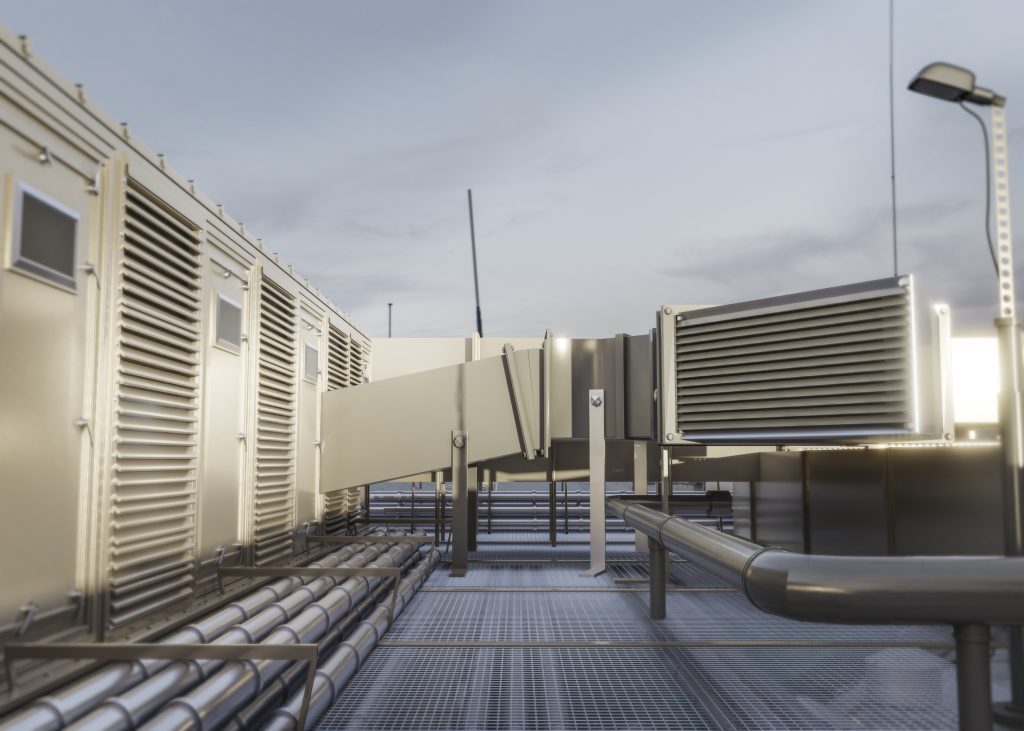
Modern offices are increasingly relying on integrated systems to manage energy use more effectively.
Building management systems (BMS) allow centralized control of heating, cooling, and ventilation. These systems can monitor real-time data, adjust airflow, and optimize performance automatically.
Occupancy sensors are another powerful tool. By detecting when spaces are in use, they can adjust temperature settings dynamically, ensuring energy isn’t wasted on empty rooms.
These technologies not only improve efficiency but also provide valuable insights for long-term planning.
Common Mistakes That Increase Office Energy Costs
Many offices unintentionally increase their energy consumption through avoidable mistakes. One common issue is over-reliance on extreme temperature settings. Trying to cool or heat a space too quickly often leads to unnecessary strain on HVAC systems.
Another is neglecting regular maintenance. Dirty filters, outdated systems, and poor airflow can significantly reduce efficiency.
Finally, inconsistent temperature policies, where different departments make their own adjustments, can create inefficiencies that add up over time.
Long-Term Energy Efficiency Planning for Offices
Short-term fixes can reduce energy use, but long-term planning is where real impact happens. This includes evaluating your HVAC system’s age and efficiency, considering upgrades to energy-efficient models, and integrating renewable energy sources where possible.
It also involves aligning temperature management with broader sustainability goals. Businesses that take a strategic approach not only reduce costs but also position themselves as environmentally responsible.
Frequently Asked Questions
What is the most energy-efficient office temperature?
Typically, 72–76°F in summer and 68–72°F in winter provide a balance between comfort and efficiency. Slight adjustments can further reduce energy use.
How can offices reduce air conditioning costs?
Offices can reduce costs by adjusting thermostat settings, improving insulation, using zoning systems, and upgrading to smart HVAC technologies.
Do smart thermostats really save energy?
Yes, smart thermostats optimize temperature settings based on usage patterns, reducing unnecessary energy consumption over time.
How does temperature affect employee productivity?
Extreme temperatures can reduce focus and comfort, leading to lower productivity. Maintaining a stable, comfortable range supports better performance.
What are common HVAC efficiency mistakes?
Common mistakes include poor maintenance, extreme thermostat settings, lack of zoning, and ignoring building insulation issues.