Back Pain from Sitting: Causes, Fixes, and How to Prevent It
Table of Contents
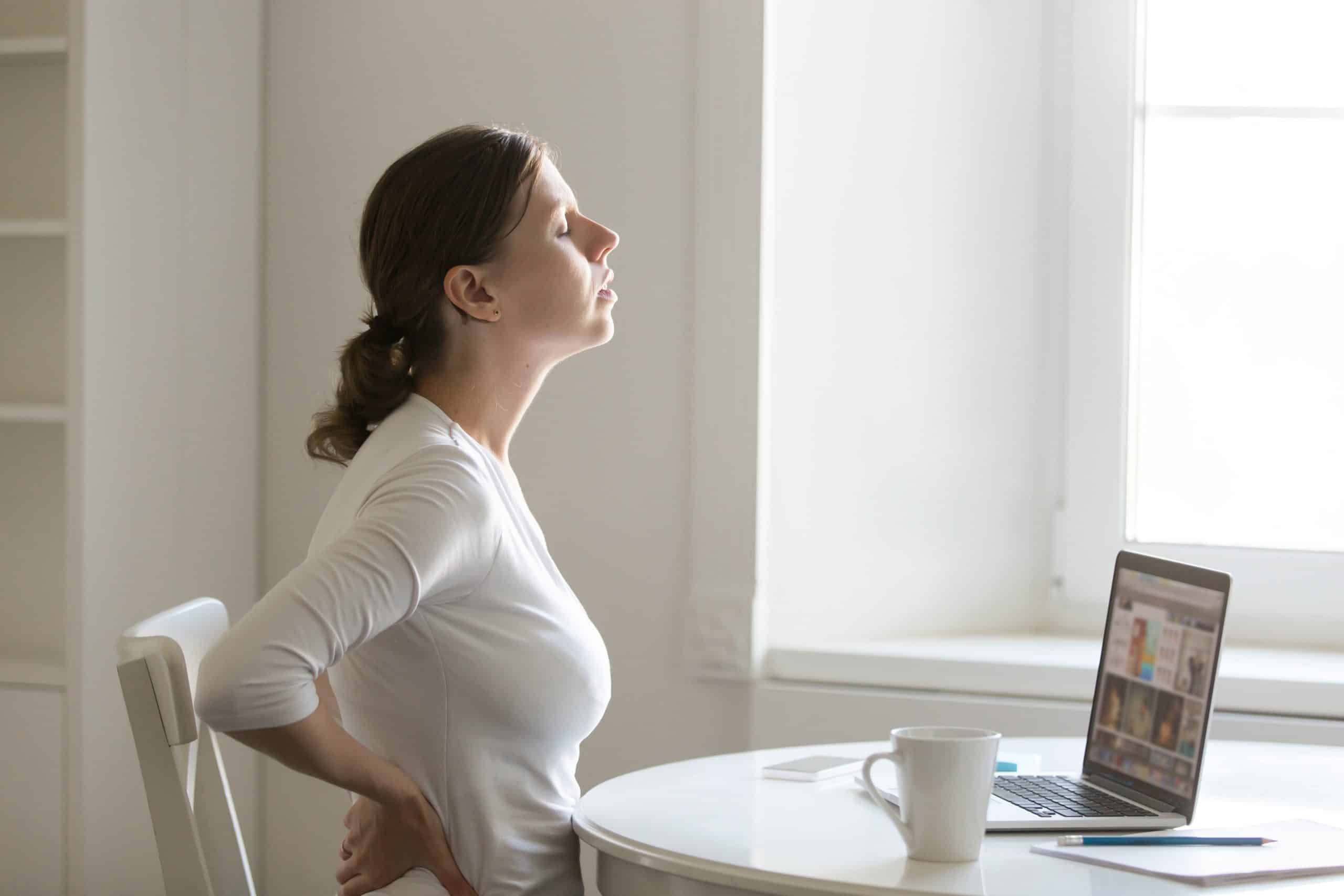
Back pain from sitting isn’t just a minor discomfort—it’s one of the most common consequences of modern work and lifestyle habits. Whether you’re working at a desk, driving for long periods, or spending hours on your laptop, prolonged sitting puts your body in a position it was never designed to hold for extended periods.
The result is a combination of spinal compression, tight muscles, and weakened support systems that gradually lead to pain. The good news is that once you understand why it happens, you can fix it—and more importantly, prevent it from getting worse.
Why Sitting Causes Back Pain
The Hidden Pressure on Your Spine
When you sit, especially with poor posture, your spine experiences more pressure than when you stand. The lumbar spine (lower back) absorbs most of this load, and over time, this constant compression can irritate discs and surrounding tissues.
Leaning forward—even slightly—makes this worse. That subtle slouch increases disc pressure significantly, which is why sitting for long periods often leads to stiffness or pain when you stand up.
Muscle Imbalances and Weak Core
Sitting doesn’t just compress your spine—it also changes how your muscles work. Your core muscles, which are supposed to support your spine, become less active. At the same time, your lower back muscles often overcompensate. This imbalance creates a situation where your spine lacks proper support, making it more vulnerable to strain.
The Role of Hip Flexors
Your hip flexors shorten when you sit. Over time, they become tight and pull your pelvis forward, disrupting your natural spinal alignment. This shift forces your lower back into an unnatural curve, increasing tension and contributing directly to pain.
Signs Your Sitting Habits Are Causing Back Pain
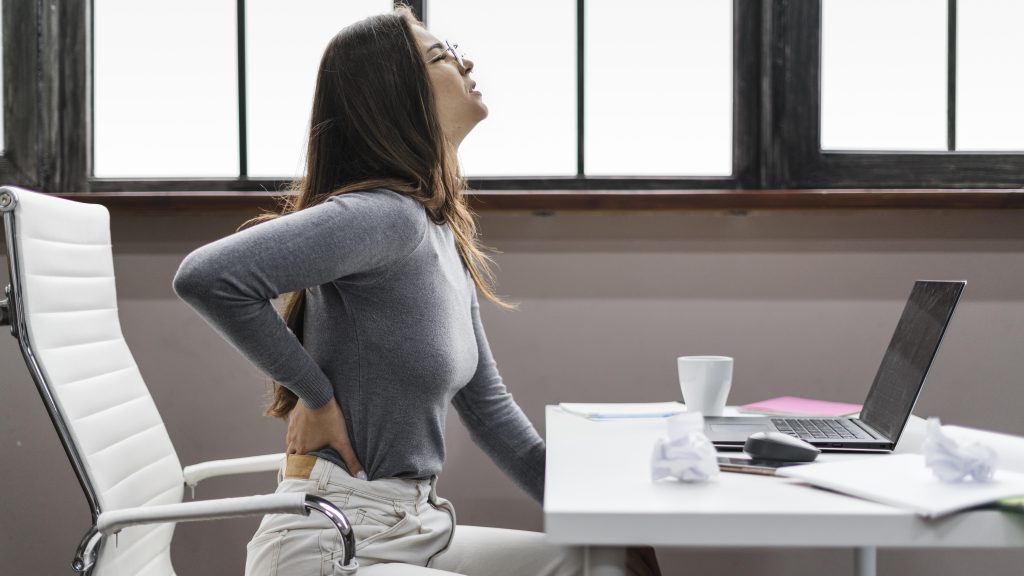
Back pain from sitting often builds gradually, which makes it easy to ignore early warning signs. Common indicators include:
- Stiffness when standing up after sitting
- Dull, persistent lower back pain
- Tight hips or hamstrings
- Difficulty maintaining good posture
- Relief when lying down or walking
If these feel familiar, your sitting habits are likely the root cause.
How to Relieve Back Pain from Sitting (Immediate Fixes)
Reset Your Sitting Posture
Start with the basics: sit with your feet flat on the floor, knees at hip level, and your back supported. Your lower back should maintain a natural curve—not flattened, not exaggerated. Think of sitting “tall,” not rigid. Small adjustments here can instantly reduce strain.
Movement Break Strategy
The most effective fix isn’t perfect posture—it’s movement. Instead of sitting for hours straight, aim to stand or move every 30 to 45 minutes. Even a short walk or stretch resets muscle tension and improves circulation.
Desk Adjustments That Work
Your screen should be at eye level, and your keyboard positioned so your elbows stay close to your body. If your setup forces you to lean forward, your back will pay the price. This is where ergonomic improvements make a measurable difference, especially when combined with consistent movement.
Long-Term Fixes for Back Pain from Sitting
Strengthening the Right Muscles
To fix back pain at its root, you need to strengthen your core, glutes, and upper back. These muscles stabilize your spine and reduce the load on your lower back. Weakness in these areas is one of the biggest contributors to chronic pain.
Fixing Your Workstation
A poorly designed workstation forces your body into harmful positions. Upgrading to a proper setup—such as an adjustable desk or supportive chair—can eliminate many of the triggers that cause pain in the first place.
Building Better Sitting Habits
Even the best setup won’t help if you stay still for too long. Long-term relief comes from combining good posture, movement, and awareness throughout your day.
Best Sitting Position for Lower Back Pain
The ideal sitting position isn’t about being perfectly upright—it’s about maintaining balance. Your ears, shoulders, and hips should align vertically. Your lower back should be supported, either by your chair or a lumbar cushion.
Avoid crossing your legs or leaning forward for extended periods. These small habits add up and can significantly increase strain over time.
Exercises to Reverse Back Pain from Sitting

You don’t need an intense workout routine to fix sitting-related pain. What matters is consistency. Focus on movements that:
- Open up your hips
- Strengthen your core
- Improve spinal mobility
Simple exercises like hip flexor stretches, glute bridges, and thoracic extensions can dramatically improve how your body feels within a few weeks. The key is doing them regularly, not perfectly.
Ergonomic Products That Actually Help
Not all ergonomic products are necessary, but some can make a real difference when used correctly.
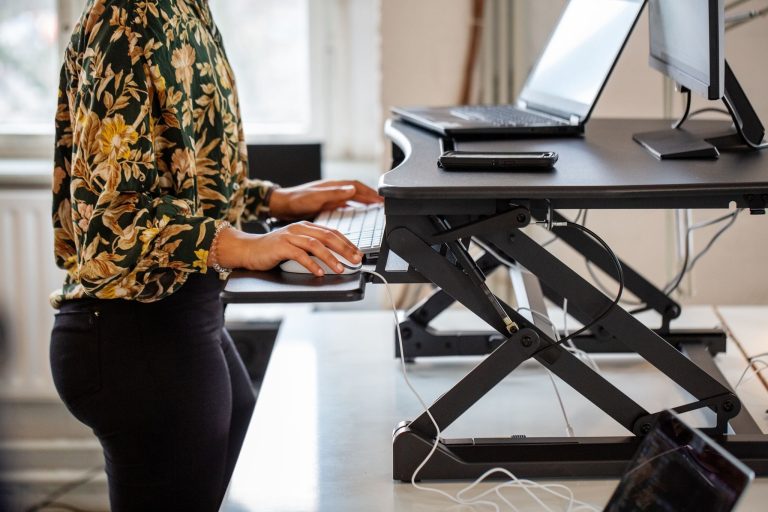
A supportive chair helps maintain spinal alignment without constant effort. A standing desk allows you to alternate positions throughout the day. Monitor arms ensure your screen stays at the correct height, preventing forward head posture.
The goal isn’t to rely on products—it’s to remove unnecessary strain so your body can function naturally.
How to Prevent Back Pain If You Sit All Day
Prevention is about consistency, not perfection. Build a routine where movement becomes automatic. Adjust your workspace so good posture is the default, not something you have to think about constantly.
Over time, these small changes compound. What starts as minor discomfort can either develop into chronic pain—or disappear entirely—depending on how you respond now.
Frequently Asked Questions
Why does my lower back hurt after sitting all day?
Prolonged sitting compresses your spine, weakens your core, and tightens your hip flexors, all of which increase strain on your lower back.
How long is too long to sit?
Anything beyond 30 to 60 minutes without movement can start to negatively impact your body.
Is standing better than sitting?
Standing reduces spinal compression, but staying in one position too long—standing or sitting—is the real problem.
Can sitting cause permanent back damage?
In severe cases, prolonged poor posture and inactivity can contribute to chronic conditions, but most sitting-related pain is reversible with the right changes.
What is the best chair for back pain?
A chair that supports your lower back, allows adjustable height, and promotes neutral posture is ideal. Take a look at our guide to the best ergonomic chairs to find the right fit for your workspace.
Do standing desks fix back pain?
They help by reducing sitting time, but they’re most effective when combined with movement and proper ergonomics.