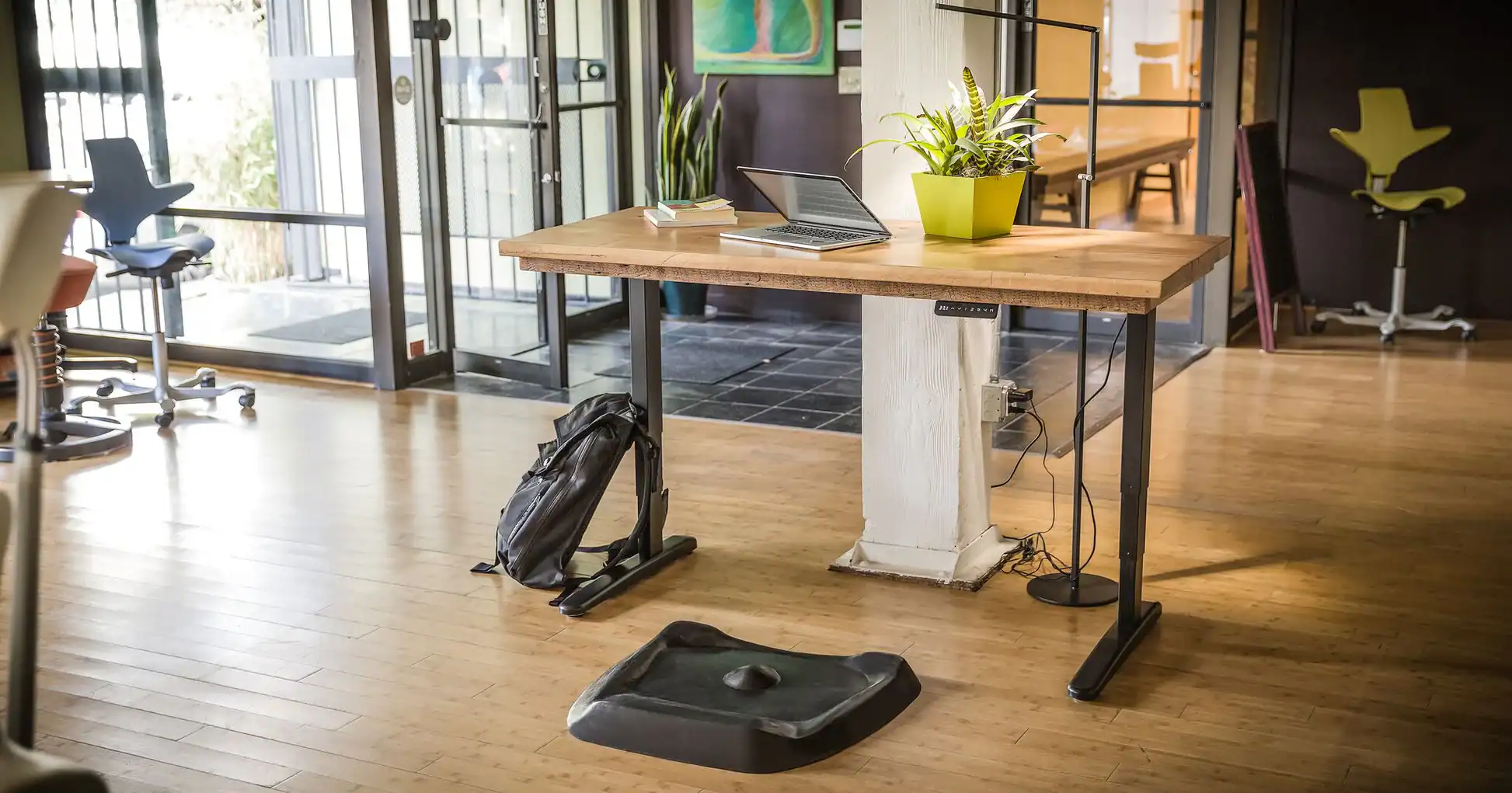
Your Ultimate Guide to Standing Desk Mats for Back Pain
If you’ve switched to a standing desk hoping to relieve back pain but find yourself ending the workday with an aching lower back, you’re not alone. Standing desks can improve posture and reduce the risks associated with prolonged sitting, but standing in one place for hours creates its own set of problems. The pressure placed on your feet, knees, hips, and lower spine gradually builds throughout the day, often leading to fatigue and discomfort.
That’s where a high-quality standing desk mat can make a noticeable difference. The best anti-fatigue mats encourage subtle movement, improve weight distribution, reduce pressure points, and help keep your muscles engaged rather than locked into a rigid position.
After comparing the most consistently recommended standing desk mats from ergonomic experts and leading review publications, these are the options that stand out for people dealing with lower back pain.
Which is the Top One?
Editor's Choice 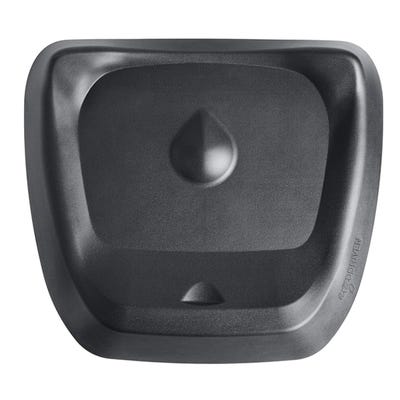 Best Overall | 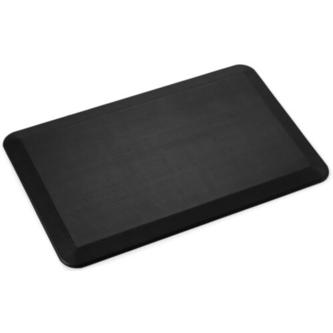 Best Premium | 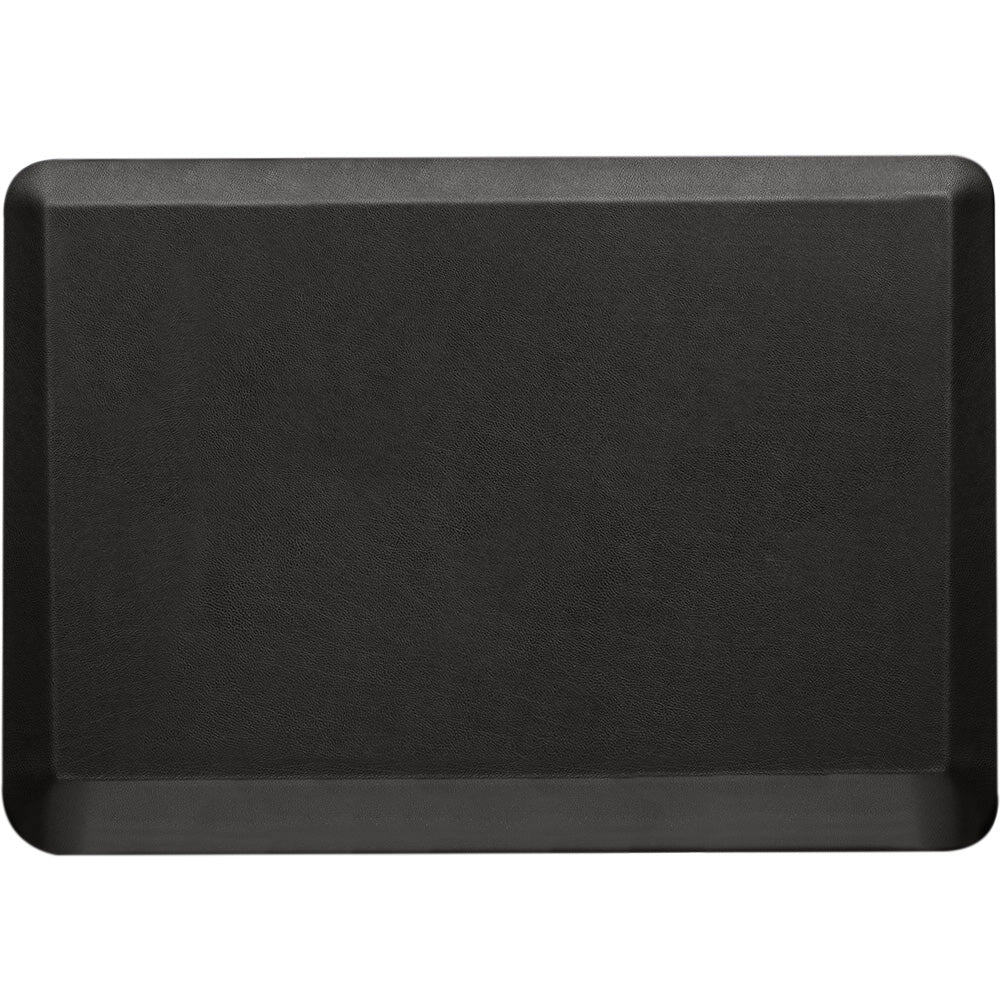 Best Budget |
Topo Comfort Mat by ErgodrivenThe benchmark standing desk mat for back pain thanks to its unique terrain design that promotes constant movement and reduces static standing fatigue. | Gorilla Grip Anti-Fatigue Comfort MatA premium high-density foam mat that combines exceptional comfort, long-term durability, and all-day support for standing desk users who struggle with lower back fatigue. | ComfiLife Anti Fatigue Floor MatAffordable, thick cushioning that provides excellent pressure relief without requiring a premium investment. |
Functionality: ⭐⭐⭐⭐⭐ Quality: ⭐⭐⭐⭐⭐ Price: ⭐⭐⭐⭐ | Functionality: ⭐⭐⭐⭐⭐ Quality: ⭐⭐⭐⭐ Price: ⭐⭐⭐⭐⭐ | Functionality: ⭐⭐⭐⭐ Quality: ⭐⭐⭐⭐⭐ Price: ⭐⭐⭐⭐⭐ |
Let’s Go Over Each One
#1: Topo Comfort Mat by Ergodriven
Functionality: ⭐ ⭐ ⭐ ⭐ ⭐
Quality: ⭐ ⭐ ⭐ ⭐ ⭐
Price: ⭐ ⭐ ⭐ ⭐
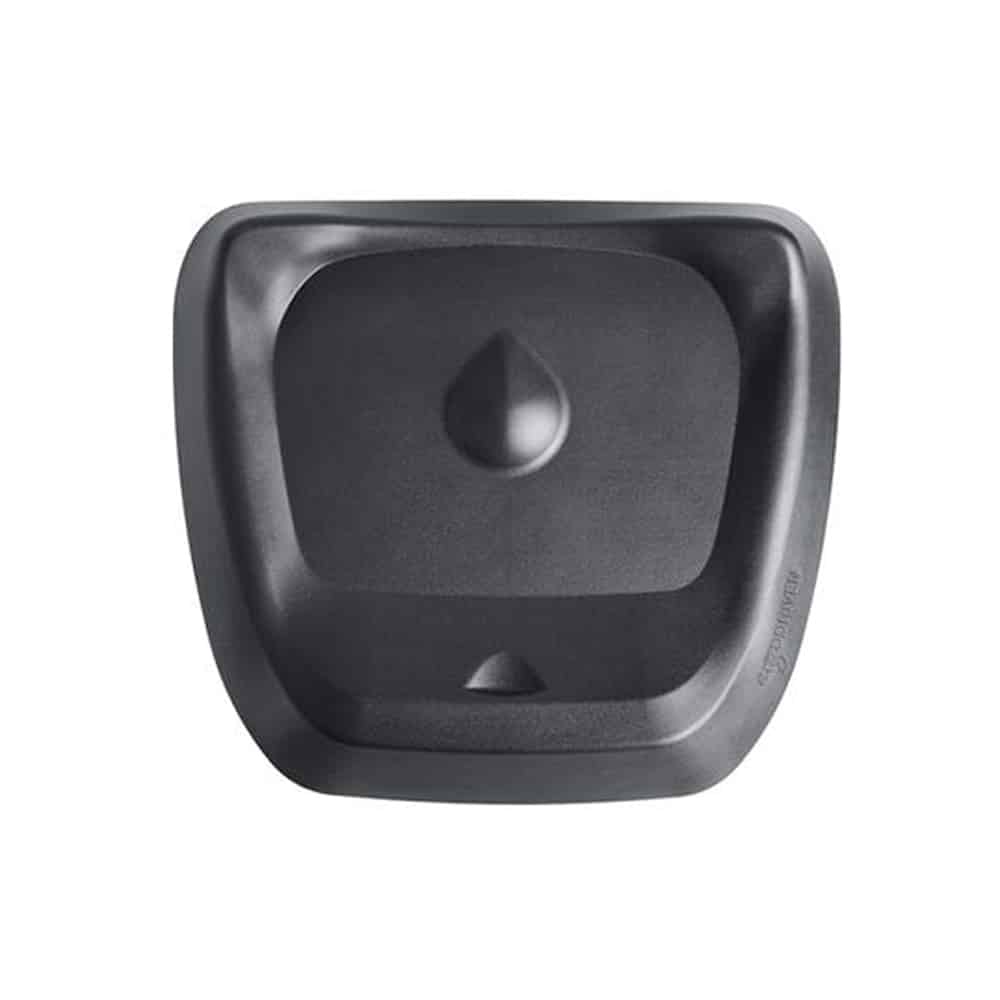
The Topo Comfort Mat has become the reference standard in the standing desk world for a reason. Unlike traditional flat anti-fatigue mats, it uses an intentionally uneven surface with raised edges, massage mounds, support ramps, and varying elevations that encourage continuous movement throughout the day.
This matters because one of the biggest causes of standing-related back pain isn’t standing itself. It’s standing still. When your body remains locked in a fixed position for hours, muscles around the hips, glutes, calves, and lower back begin to fatigue.
The Topo’s design naturally encourages micro-adjustments that keep these muscles engaged without requiring conscious effort.
Pros and Cons of the Topo Comfort Mat by Ergodriven
| Pros | Cons |
|---|---|
| ✔️ Made with durable material ✔️ Comfortable ✔️ Easy to clean | ✖️ Pricey ✖️ Can be a tripping hazard |
#2: Gorilla Grip Anti-Fatigue Mat
Functionality: ⭐ ⭐ ⭐ ⭐
Quality: ⭐ ⭐ ⭐ ⭐ ⭐
Price: ⭐ ⭐ ⭐ ⭐ ⭐
The Gorilla Grip Anti-Fatigue Mat has become one of the most popular standing desk mats because it strikes a balance between comfort, support, durability, and affordability.
While it doesn’t have the movement-focused terrain features found on premium models like the Topo Comfort Mat, it excels at solving the problem most standing desk users face: standing on hard floors for hours at a time.
The mat is constructed from high-density foam designed to cushion pressure points without feeling overly soft or unstable. This distinction is important because many inexpensive anti-fatigue mats prioritize plushness over support.
A mat that’s too soft can cause your feet and ankles to sink excessively, forcing your muscles to work harder to maintain balance. Over time, that instability can contribute to fatigue in the calves, hips, and lower back.
The Gorilla Grip mat uses a firmer foam formulation that provides noticeable cushioning while maintaining a stable standing surface.
Pros and Cons of the Gorilla Grip Anti-Fatigue Mat
| Pros | Cons |
|---|---|
| ✔️ Excellent balance of cushioning and support ✔️ High-density foam resists flattening ✔️ Helps reduce pressure on the feet, knees, hips, and lower back ✔️ Large enough for comfortable movement ✔️ Durable construction suitable for daily use ✔️ Beveled edges improve safety and accessibility ✔️ More affordable than many premium ergonomic mats | ✖️ Flat design doesn't encourage active movement ✖️ Lacks massage mounds and stretch zones found on premium models ✖️ May feel too firm for users seeking ultra-soft cushioning |
#3: ComfiLife Anti Fatigue Floor Mat
Functionality: ⭐ ⭐ ⭐ ⭐ ⭐
Quality: ⭐ ⭐ ⭐ ⭐
Price: ⭐ ⭐ ⭐ ⭐ ⭐
The ComfiLife Anti Fatigue Floor Mat proves you don’t need to spend a fortune to improve standing comfort.
Its thick foam construction provides meaningful relief for users who primarily need cushioning rather than advanced ergonomic features.
While it lacks active terrain features found in premium competitors, it performs surprisingly well at reducing foot fatigue and pressure-related lower back strain.
For first-time standing desk users, this is often the most practical starting point.
Pros and Cons of the ComfiLife Anti Fatigue Floor Mat
| Pros | Cons |
|---|---|
| ✔ Stain-repellent skin ✔ Thick cushioning foam provide more comfort ✔ Material prevents slipping ✔ Economical price ✔ Full lifetime warranty | ✘ No varied terrain to encourage movement ✘ Heat sensitive |
#4: Mount-It! Anti-Fatigue Mat
Functionality: ⭐ ⭐ ⭐ ⭐
Quality: ⭐ ⭐ ⭐ ⭐ ⭐
Price: ⭐ ⭐ ⭐ ⭐ ⭐
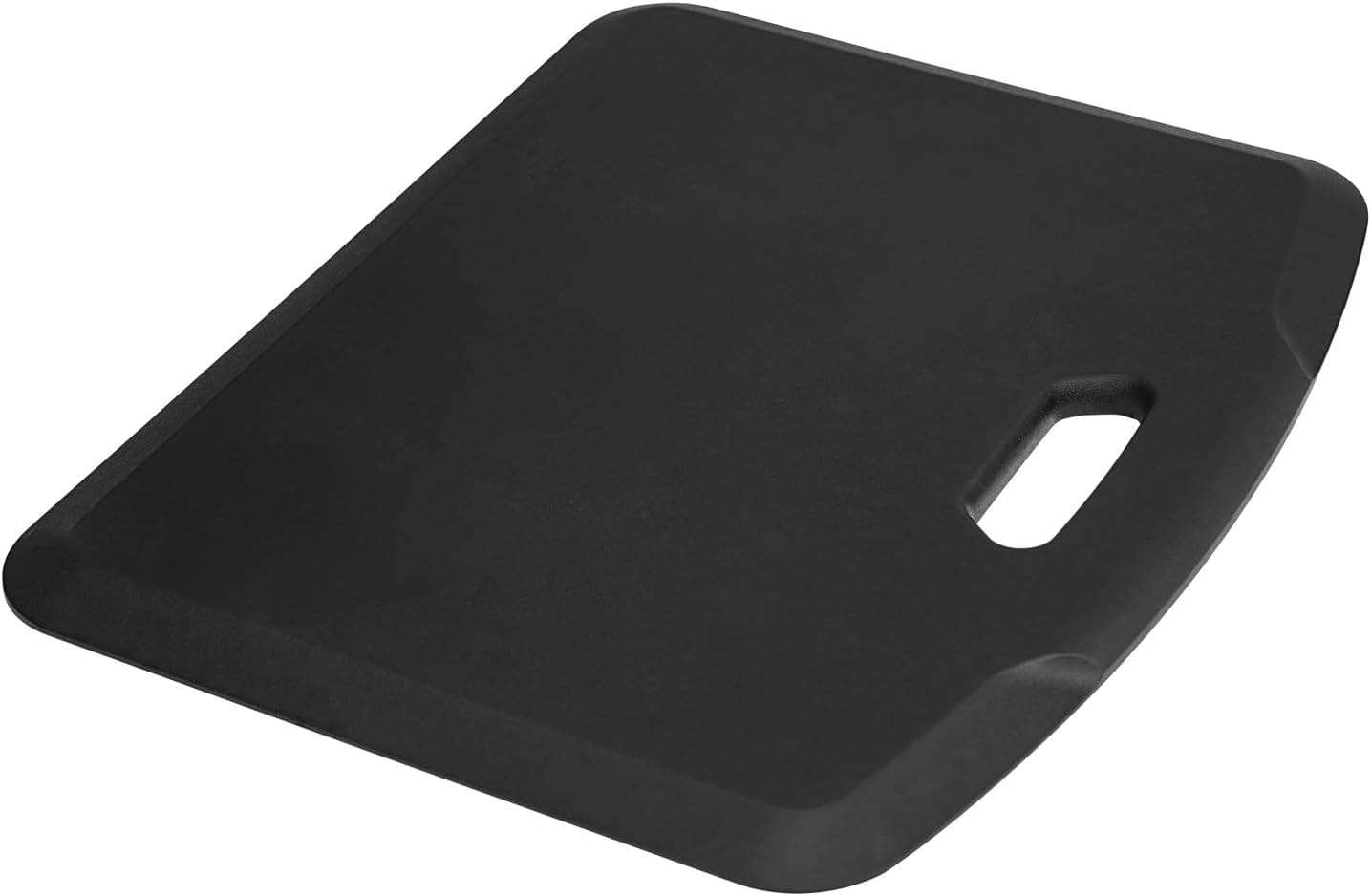
The Mount-It! Anti-Fatigue Standing Desk Mat is a strong choice for standing desk users who want dependable comfort without spending premium-level money.
While some anti-fatigue mats focus heavily on advanced ergonomic features such as massage mounds, raised terrain, or balance-training elements, the Mount-It! mat takes a more practical approach.
It prioritizes consistent support, pressure relief, and day-long comfort, making it particularly appealing for professionals who spend several hours standing while working but prefer a traditional standing surface.
Pros and Cons of the Mount-It! Anti-Fatigue Standing Desk Mat
| Pros | Cons |
|---|---|
| ✔️ High-density foam provides effective pressure relief ✔️ Large standing surface encourages natural movement ✔️ Durable construction resists flattening over time ✔️ Beveled edges improve safety ✔️ Integrated carrying handle enhances portability ✔️ Excellent value for the level of comfort provided ✔️Suitable for home offices and commercial workspaces | ✖️ Lacks advanced ergonomic terrain features ✖️ Doesn't promote active standing as much as premium models ✖️ May be too basic for users seeking specialized posture-support features |
#5: Ergodriven Topo Mini
Functionality: ⭐ ⭐ ⭐ ⭐
Quality: ⭐ ⭐ ⭐ ⭐ ⭐
Price: ⭐ ⭐ ⭐ ⭐
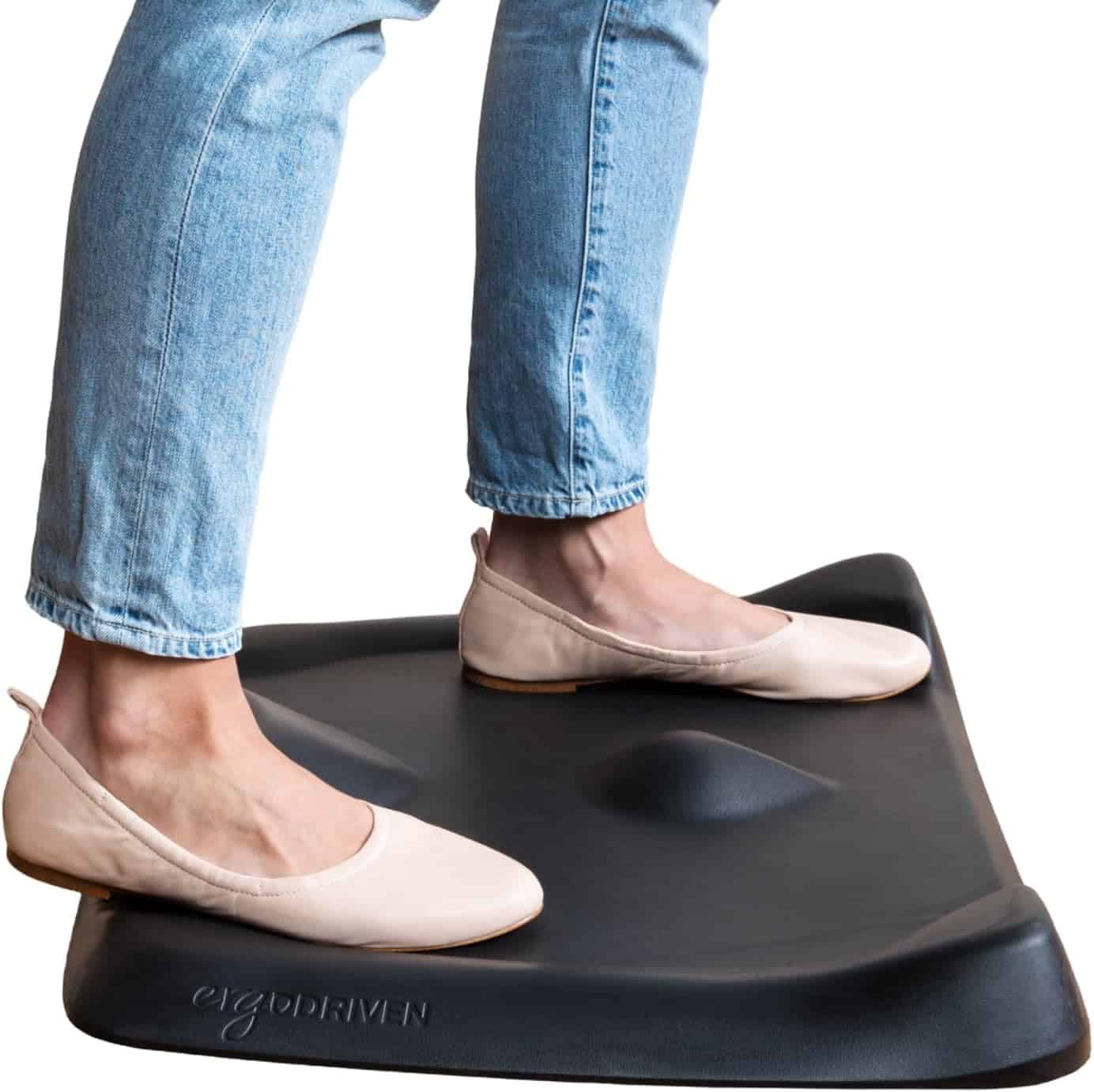
The Ergodriven Topo Mini takes the same movement-focused philosophy that made the original Topo one of the most recommended standing desk mats available.
While many anti-fatigue mats simply add cushioning under your feet, the Topo Mini actively encourages movement through its varied terrain, including raised edges, support ramps, and massage points.
For people dealing with lower back pain, this approach offers a meaningful advantage. Back discomfort from standing desks is often caused by remaining in a fixed position for too long.
The Topo Mini naturally encourages subtle shifts in posture and weight distribution throughout the day, helping reduce stress on the lumbar spine and improving circulation in the lower body.
Its smaller footprint also makes it a practical choice for home offices where floor space is limited. Despite the compact size, it still provides enough room for multiple standing positions and stretches during long work sessions.
Pros and Cons of the Ergodriven Topo Mini
| Pros | Cons |
|---|---|
| ✔️ Premium ergonomic design ✔️ Encourages active standing ✔️ Exceptional durability ✔️ Compact yet versatile ✔️ Highly rated by standing desk users | ✖️ Expensive compared to standard foam mats ✖️ Smaller footprint than full-size Topo |
How Standing Desk Mats Help Lower Back Pain
Many people assume their lower back pain originates directly from the spine. In reality, discomfort often begins much lower in the kinetic chain.
Standing on hard floors for extended periods increases pressure on the feet. That pressure travels upward through the ankles, knees, hips, and pelvis. As muscles tire, posture gradually deteriorates. The pelvis may tilt forward, hips can become tight, and the lower back begins compensating.
An ergonomic standing mat interrupts this chain reaction. The cushioning reduces impact forces while encouraging small muscle contractions that improve circulation. Better circulation helps delay muscle fatigue, which can reduce the tension that accumulates in the lower back over the course of a workday.
What Causes Back Pain While Standing?
Standing isn’t automatically healthier than sitting. The healthiest work posture involves movement.
Many new standing desk users replace eight hours of sitting with eight hours of standing. That often creates a different set of musculoskeletal issues. Static standing compresses spinal structures, reduces blood flow to working muscles, and increases fatigue throughout the lower body. As fatigue builds, posture quality declines.
A good standing desk mat doesn’t solve everything, but it encourages the subtle movement patterns that help keep muscles active and circulation flowing.
What to Look for in an Anti-Fatigue Mat
- Balance between cushioning and support. The best standing desk mat for back pain isn’t necessarily the thickest one. Excessively soft mats can create instability that places additional strain on the lower back.
- Material quality. High-density polyurethane foam generally outperforms cheaper foam blends because it resists flattening over time.
- Size. A larger mat encourages movement and allows different standing positions. Small mats often limit movement and reduce ergonomic benefits.
- Movement-focused. Users with chronic lower back pain should also consider movement-focused mats such as the Topo or Vari ActiveMat. These designs encourage active standing rather than passive cushioning.
Common Standing Desk Mistakes That Cause Back Pain
- Standing continuously for long periods without changing position.
- Wearing unsupportive footwear. Even the best standing desk mat can’t fully compensate for shoes that provide inadequate arch support.
- Desk height. If your keyboard or monitor is positioned incorrectly, your spine may remain under constant strain regardless of which mat you choose.
A standing desk mat works best as part of a complete ergonomic setup rather than a standalone solution.
Final Note
For most people dealing with lower back pain, the Topo Comfort Mat remains the strongest overall choice. Its movement-focused design addresses one of the biggest causes of standing-related discomfort: staying still for too long. While simpler foam mats certainly improve comfort, the Topo actively encourages healthier standing habits that can produce meaningful benefits over months and years of daily use.
Frequently Asked Questions
Do standing desk mats actually help back pain?
Yes. Research and ergonomic experts generally agree that anti-fatigue mats can reduce discomfort associated with prolonged standing by improving circulation, reducing pressure points, and encouraging movement. However, they work best when combined with proper desk height, supportive footwear, and regular posture changes.
Is a thicker standing desk mat better?
Not always. Extremely soft mats may feel comfortable initially but can create instability that increases muscular effort. High-density foam with moderate firmness usually provides better long-term support.
What is the best standing desk mat for lower back pain?
For most users, the Topo Comfort Mat remains the strongest overall option because it combines cushioning with active standing features that encourage movement throughout the day.
Can a standing desk mat replace ergonomic shoes?
No. Standing desk mats and supportive footwear work together. A quality mat reduces pressure from the floor, while ergonomic shoes help maintain proper alignment through the feet and ankles.
How long should I stand at a standing desk?
Most ergonomists recommend alternating between sitting and standing throughout the day. Many users find success with a ratio of roughly 30 to 60 minutes standing followed by a period of sitting rather than remaining in either position continuously.
Editor’s Choice
Topo Comfort Mat by Ergodriven
The Topo Comfort Mat earns the top position because it goes beyond cushioning.
Its terrain-based design promotes constant micro-movements that reduce fatigue, improve circulation, and help prevent the static standing patterns that often contribute to lower back pain.