
Table of Contents
An HVAC system for office spaces does more than just heat and cool the air. It directly affects employee comfort, indoor air quality, energy efficiency, and overall productivity.
If your office feels too hot in summer, freezing in winter, or stuffy year-round, the problem often comes down to HVAC design, sizing, or maintenance. In this complete guide, we’ll cover HVAC requirements for offices, system types, best practices, energy efficiency tips, and how to choose the right setup for your building.
What Is an HVAC System?
HVAC stands for heating, ventilation, and air conditioning.
An HVAC system controls:
- Temperature
- Airflow
- Humidity
- Air filtration and indoor air quality
In office spaces, HVAC systems must maintain consistent comfort across multiple rooms, meeting areas, and open-plan workspaces — often with varying occupancy levels.
Why HVAC Systems Matter in Office Spaces
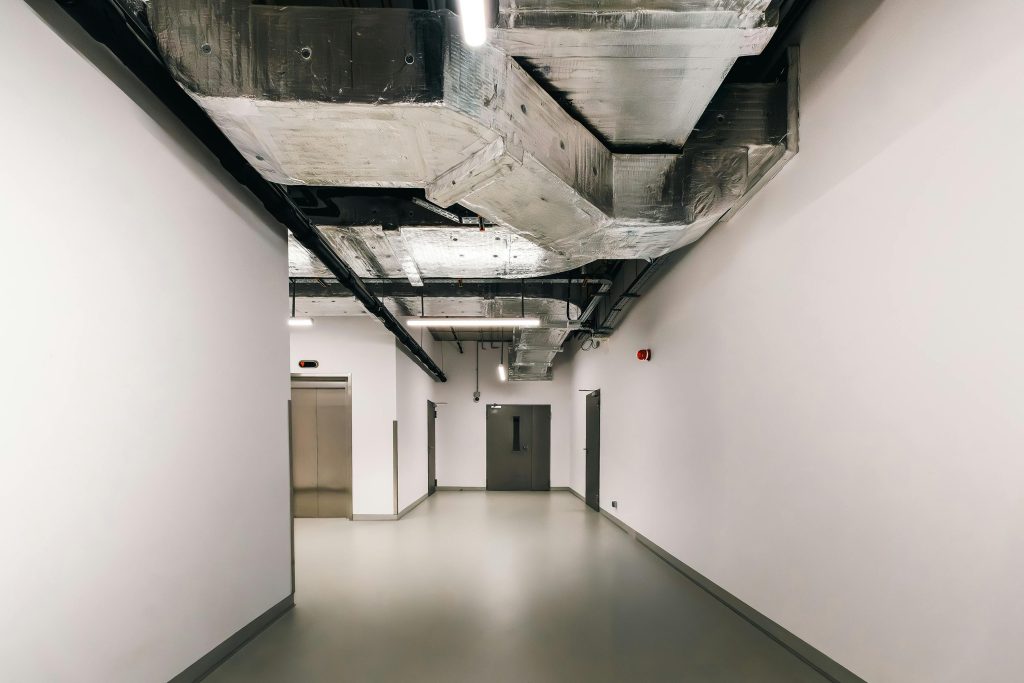
A properly designed HVAC system improves:
Employee Comfort
Temperature inconsistencies are one of the most common workplace complaints. Studies show that office temperature can directly influence focus and cognitive performance.
Indoor Air Quality (IAQ)
Poor ventilation can lead to:
- Stale air
- Headaches
- Fatigue
- Increased sick days
A well-functioning HVAC system reduces airborne contaminants and maintains healthy airflow.
Energy Efficiency and Cost Control
Heating and cooling typically account for 40–60% of commercial building energy use. An optimized HVAC system reduces wasted energy and lowers operating costs.
HVAC Requirements for Office Buildings
When designing or upgrading an HVAC system for office spaces, several requirements must be considered.
1. Proper Sizing and Load Calculation
Oversized systems cycle too frequently, wasting energy. Undersized systems struggle to maintain temperature.
A professional load calculation evaluates:
- Square footage
- Ceiling height
- Window exposure
- Occupancy levels
- Equipment heat output
- Local climate
Proper sizing ensures stable performance and efficiency.
2. Ventilation Standards
Commercial offices must meet ventilation guidelines such as those set by ASHRAE. ASHRAE standards recommend minimum outdoor airflow rates per person to maintain indoor air quality.
Insufficient ventilation leads to:
- CO₂ buildup
- Stuffy environments
- Reduced concentration
3. Zoning Capabilities
Offices rarely need uniform temperatures everywhere.
Executive offices, conference rooms, and open workspaces may require different cooling and heating levels. Zoned HVAC systems allow temperature control by area, improving comfort and reducing energy waste.
4. Humidity Control
Ideal indoor humidity levels range between 30–60%.
Too much humidity causes:
- Mold growth
- Musty odors
- Equipment damage
Too little humidity can cause:
- Dry skin
- Static electricity
- Respiratory irritation
Modern HVAC systems often include built-in humidity management features.
Types of HVAC Systems for Office Spaces
Choosing the right HVAC system depends on building size, layout, and budget.
1. Split Systems
Common in smaller office buildings, split systems include an indoor air handling unit and an outdoor compressor
They are cost-effective but may lack advanced zoning capabilities.
2. Packaged HVAC Systems
Often installed on rooftops, packaged systems house all components in one unit. They are common in mid-sized office buildings.
The benefits include a space-saving design that keeps essential components contained in a single unit, making it ideal for office buildings with limited interior mechanical space. These systems also offer easier maintenance access, since technicians can service the unit from a centralized location, often on the rooftop.
Additionally, installation is typically more straightforward compared to split systems, reducing labor time and minimizing disruption to daily office operations.
3. Variable Refrigerant Flow (VRF) Systems
VRF systems provide advanced zoning and energy efficiency.
They adjust refrigerant flow based on real-time demand, ensuring each zone receives exactly the amount of heating or cooling it requires. This allows for simultaneous heating and cooling in different areas of the office, which is especially useful in buildings with varying sun exposure or occupancy levels. By delivering precise temperature control and reducing unnecessary energy use, these systems significantly improve overall energy performance and operational efficiency.
VRF systems are ideal for larger or multi-level office buildings.
4. Ductless Mini-Split Systems
Mini-splits are especially useful for office expansions, server rooms, and areas that require independent temperature control. Because they operate without extensive ductwork, they can be installed quickly in new additions or retrofitted into existing spaces with minimal disruption.
Their ability to provide targeted heating and cooling makes them highly energy-efficient, while their flexible design allows businesses to scale comfort solutions as their office layout evolves.
Best Practices for Office HVAC Systems

Conduct Regular Maintenance
Preventative maintenance should include:
- Filter replacement
- Coil cleaning
- Thermostat calibration
- Duct inspection
Neglecting maintenance reduces system lifespan and efficiency.
Use Smart Thermostats and Controls
Smart HVAC controls allow:
- Automated scheduling
- Remote monitoring
- Energy usage tracking
This improves operational efficiency and reduces costs.
Improve Air Filtration
High-efficiency filters (such as MERV-rated filters) help capture dust, allergens, and airborne particles.
Better filtration improves indoor air quality without overloading the system.
Optimize Air Distribution
Poor duct design can cause:
- Hot and cold spots
- Uneven airflow
- Noise issues
Professional duct balancing ensures consistent air distribution.
Energy Efficiency Considerations
To maximize energy efficiency in office HVAC systems:
- Install programmable thermostats
- Upgrade to energy-efficient units
- Seal duct leaks
- Add insulation
- Schedule seasonal tune-ups
Energy-efficient HVAC systems reduce both operational costs and environmental impact.
Signs Your Office HVAC System Needs Upgrading
Watch for:
- Rising energy bills
- Frequent repairs
- Uneven temperatures
- Poor air quality
- Systems older than 15–20 years
Modern systems are significantly more energy-efficient and reliable.
How to Choose the Right HVAC System for Your Office
When selecting an HVAC system, consider:
- Building size and layout
- Number of occupants
- Climate conditions
- Energy efficiency goals
- Budget constraints
- Future expansion plans
Consulting a licensed HVAC professional ensures proper system design and compliance with local codes.
Final Thoughts
An HVAC system for office spaces isn’t just about comfort — it’s a critical investment in productivity, health, and long-term cost efficiency.
When properly sized, maintained, and optimized, a commercial HVAC system creates a stable indoor environment that supports employees and reduces operational expenses.
Whether you’re building a new office or upgrading an aging system, understanding HVAC requirements and best practices ensures you make informed, strategic decisions.
Frequently Asked Questions
What is the ideal temperature for an office?
Most studies suggest an optimal office temperature range of 68–72°F for productivity and comfort.
How often should office HVAC systems be serviced?
Commercial HVAC systems should be inspected at least twice per year — typically before summer and winter seasons.
How long do office HVAC systems last?
With proper maintenance, commercial HVAC systems can last 15–25 years.

