
Table of Contents
Low back pain and tight hamstrings often go hand in hand. When your hamstrings are stiff, they pull on your pelvis and place extra strain on your lower back. Over time, this imbalance can lead to discomfort, reduced mobility, and even recurring pain. The good news is that you don’t need complicated workouts or expensive equipment to feel better. One simple exercise can help address both problems at the same time: the seated hamstring stretch with a gentle spinal hinge.
This easy movement improves flexibility, supports proper posture, and helps relax the muscles that contribute to lower back tension. When done consistently, it can become a powerful part of your daily routine for pain relief and mobility.
Why Tight Hamstrings and Low Back Pain are Connected
Hamstrings run from the back of your thighs up to your pelvis. When they become tight from prolonged sitting, lack of stretching, or limited movement, they tug on the pelvis and change its natural alignment. This added stress often shows up as stiffness or pain in the lower back.
By stretching the hamstrings while encouraging a neutral spine position, you reduce pressure on the lumbar area and improve overall movement patterns. Addressing both muscle groups together is more effective than focusing on only one.
The Simple Exercise: Seated Hamstring Stretch With Spinal Hinge
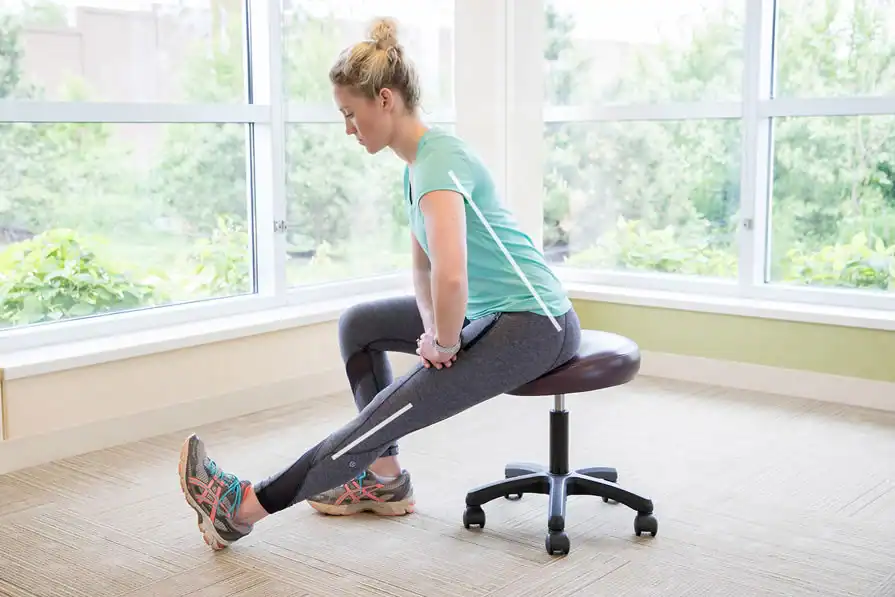
This exercise gently lengthens the hamstrings while allowing the lower back to relax and decompress. It is safe for most people and can be done at home, at the office, or even while traveling.
How to Perform the Exercise
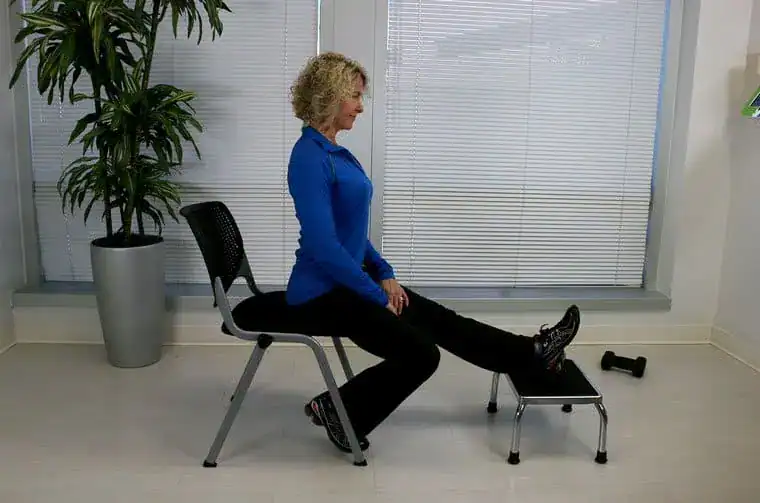
Sit on the edge of a chair or on the floor with one leg extended straight and the other foot planted comfortably on the ground. Keep your chest lifted and your spine long.
Slowly hinge forward from your hips rather than rounding your back. You should feel a gentle stretch along the back of your thigh and into the lower back area.
Hold the position for 20 to 30 seconds while breathing deeply, then switch sides. Repeat two to three times on each leg.
Key Benefits of This Exercise
Relieves Low Back Tension
By reducing tightness in the hamstrings, this movement helps decrease the pulling force on the pelvis and lower spine. Many people feel immediate relief after just a few repetitions.
Improves Hamstring Flexibility
Regular stretching increases the range of motion in the hamstrings, making everyday activities like walking, bending, and standing up from a chair easier and more comfortable.
Supports Better Posture
As the hamstrings loosen, the pelvis can return to a more neutral position. This encourages a healthier posture and reduces strain on the lower back muscles throughout the day.
Enhances Circulation and Muscle Relaxation
Gentle stretching increases blood flow to the muscles, helping them relax and recover. This can reduce stiffness caused by long periods of sitting or inactivity.
How Often Should You Do It?
For best results, perform this exercise once or twice a day. It is especially helpful in the morning to loosen stiff muscles and in the evening after long hours of sitting. Consistency is more important than intensity, so focus on gentle, controlled movements rather than forcing a deep stretch.
Common Mistakes to Avoid
Rounding the Back
Bending through the spine instead of hinging at the hips can increase strain on the lower back. Keep your chest open and your back straight.
Holding Your Breath
Breathing deeply helps muscles relax and makes the stretch more effective. Slow, steady breaths improve comfort and results.
Overstretching
You should feel a mild pull, not sharp pain. Stretching too aggressively can lead to muscle strain and setbacks.
Who Can Benefit Most From This Exercise?
This simple stretch is ideal for people who spend long hours sitting, such as office workers, drivers, and students. It is also helpful for individuals who experience morning stiffness, mild chronic low back pain, or tight legs from limited activity. Athletes and active individuals can use it as part of a warm-up or cool-down routine to maintain flexibility.
When to be Cautious
If you have a history of serious back injury, herniated discs, or nerve pain that travels down the leg, consult a healthcare professional before starting any new exercise. Gentle stretching is generally safe, but individual conditions may require modified movements.
Final Thoughts
A single, simple exercise can make a meaningful difference in both low back pain and tight hamstrings. The seated hamstring stretch with a spinal hinge addresses the root of the problem by improving flexibility, posture, and muscle balance at the same time. Practiced daily, it can help you move more freely, sit more comfortably, and reduce recurring discomfort without complicated routines or gym equipment.
Sometimes the most effective solutions are also the simplest. Adding this stretch to your day may be the small change your body needs for lasting relief.

