
Table of Contents
Natural ventilation is becoming an important feature in modern workplace design. As companies focus more on employee well-being, productivity, and sustainability, improving indoor air quality has become a priority. One simple yet powerful solution is natural ventilation.
Instead of relying entirely on mechanical systems like air conditioners or HVAC units, natural ventilation allows fresh outdoor air to flow through a building. This movement of air helps regulate temperature, remove pollutants, and create a healthier environment for employees.
From reducing energy costs to improving focus at work, the benefits of natural ventilation in offices are significant.
What Is Natural Ventilation?
Natural ventilation refers to the process of circulating air inside a building without mechanical systems. Instead, airflow occurs naturally through windows, vents, openings, and building design features.
This airflow can happen through two main methods. Cross ventilation occurs when air enters through one opening and exits through another, creating continuous movement. Stack ventilation happens when warm air rises and escapes through higher openings, pulling cooler air into the space.
Both approaches help maintain fresh air circulation throughout an office space.
Improved Indoor Air Quality
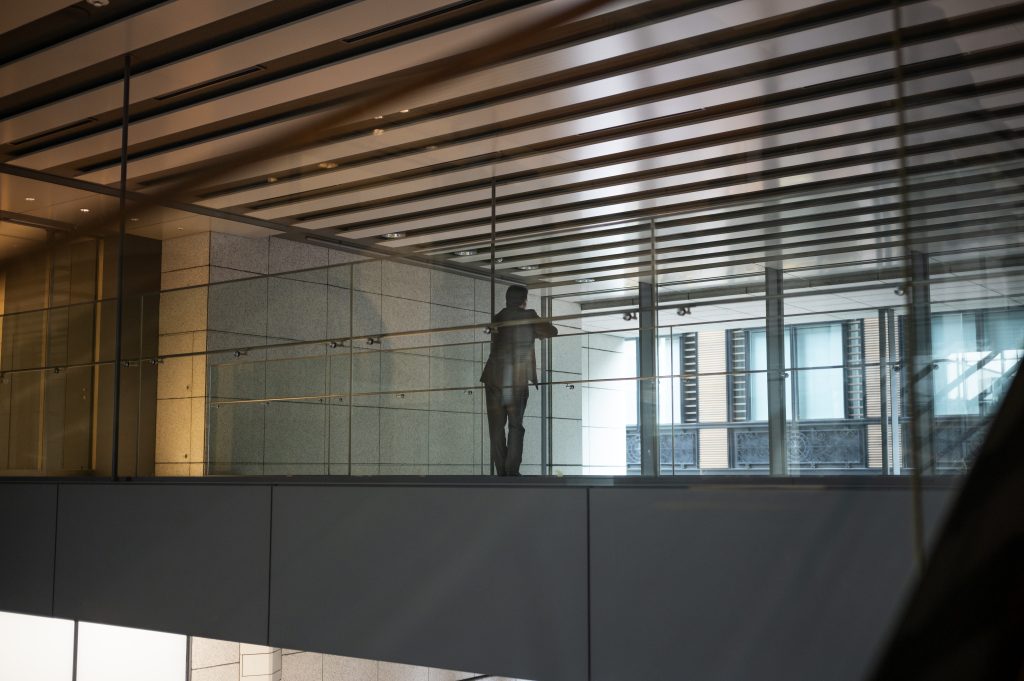
One of the most important benefits of natural ventilation is improved indoor air quality.
Offices often contain pollutants from office equipment, cleaning products, furniture materials, and even everyday human activity. When ventilation is limited, these pollutants accumulate and can negatively affect employee health.
Natural ventilation continuously introduces fresh outdoor air while removing stale indoor air. This helps reduce airborne contaminants, odors, and excess carbon dioxide levels. Better air quality can lead to fewer headaches, less fatigue, and reduced respiratory irritation among employees.
Increased Employee Productivity
Comfortable work environments directly influence how employees perform throughout the day. When offices are poorly ventilated, employees may feel sluggish, tired, or distracted. High carbon dioxide levels can also reduce cognitive performance.
Natural ventilation improves airflow and temperature balance, creating a more comfortable environment that helps employees stay alert and focused. Research has shown that workplaces with better air circulation often experience improved concentration, decision-making, and overall productivity.
Lower Energy Consumption
Another major advantage of natural ventilation is energy efficiency. Air conditioning and mechanical ventilation systems require large amounts of electricity to operate. By allowing natural airflow to cool and refresh indoor spaces, offices can significantly reduce their dependence on energy-intensive cooling systems.
Lower energy consumption leads to:
- Reduced electricity costs
- Lower operational expenses for businesses
- Decreased environmental impact
Many green building standards encourage natural ventilation as part of sustainable architecture.
A More Comfortable Office Environment
Natural airflow helps regulate indoor temperature and humidity levels. Fresh air circulation can make office spaces feel cooler during warm weather and prevent the stale, stuffy feeling that sometimes develops in sealed buildings.
Employees often report feeling more comfortable in workplaces with open windows and access to fresh air. This comfort can improve morale and make the office environment more enjoyable.
Reduced Sick Building Syndrome
“Sick building syndrome” is a term used to describe health symptoms linked to poor indoor air quality in buildings. Common symptoms include:
- Headaches
- Eye irritation
- Fatigue
- Dry throat
- Difficulty concentrating
Natural ventilation helps remove airborne irritants and pollutants that contribute to these symptoms. By continuously refreshing the indoor air, offices can create healthier environments that reduce the risk of sick building syndrome.
Better Moisture and Humidity Control
Proper airflow helps regulate humidity levels in office spaces. Excess humidity can lead to mold growth, unpleasant odors, and damage to building materials. Natural ventilation helps maintain balanced moisture levels by allowing damp air to escape while bringing in fresh air. This airflow contributes to a cleaner, healthier office environment.
Cost-Effective Building Design
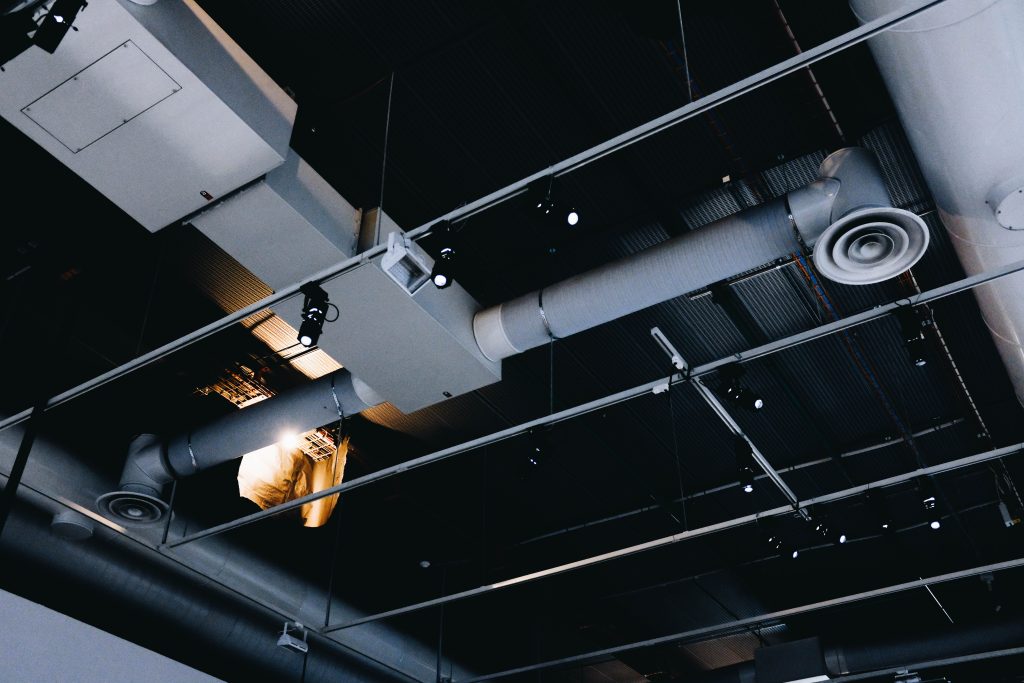
Incorporating natural ventilation into office design can also reduce construction and maintenance costs. Buildings that rely less on complex mechanical ventilation systems may require fewer mechanical components and lower maintenance expenses over time.
Architects often integrate features such as operable windows, atriums, and ventilation shafts to encourage natural airflow throughout the building. These design strategies can create energy-efficient workplaces that remain comfortable year-round.
Supporting Sustainable Workplace Practices
Sustainability has become a key focus for many organizations. Natural ventilation supports environmentally responsible building practices by reducing energy consumption and lowering greenhouse gas emissions.
By designing offices that make better use of outdoor airflow, companies can reduce their carbon footprint while creating healthier work environments. This approach aligns with many green building certifications and sustainability initiatives.
Simple Ways Offices Can Improve Natural Ventilation
Offices do not always need major renovations to benefit from natural airflow. Some simple strategies include:
- Opening windows during suitable weather conditions
- Using interior layouts that allow air to move freely
- Installing adjustable vents or louvers
- Keeping airflow paths clear from obstructions
Even small changes can help improve airflow and indoor air quality.
Final Thoughts
Natural ventilation offers a wide range of benefits for modern workplaces. By improving air quality, enhancing employee comfort, reducing energy costs, and supporting sustainable design, it provides a practical solution for healthier office environments.
As businesses continue to prioritize well-being and sustainability, natural ventilation is likely to play an increasingly important role in the future of office design.

