
Table of Contents
Maintaining the optimal office temperature is more important than many organizations realize. Research consistently shows that office temperature directly influences comfort and overall work output.
When temperatures are too high or too low, workers experience discomfort, increased error rate, and lost productivity. Understanding how specific temperatures affect productivity helps office managers create healthier and more productive workplaces.
The Impact of Office Temperature and Workplace Comfort

Office temperature impacts productivity because the human body naturally responds to heat and cold. High temperatures can cause fatigue, dehydration, and reduced concentration, while low temperatures can make employees stiff, distracted, and uncomfortable
Key factors influencing comfort include:
- Humidity levels inside the building
- Cooling during the summer heat
- Different heating needs during winter
- Air circulation across different areas of the workspace
- Temperature differences between office spaces and zones
Using multiple thermostats in large offices allows managers to control temperatures more precisely across different spaces, improving comfort and productivity.
Cognitive Performance and Temperature Control
Cognitive performance declines when office temperatures move outside the recommended range. Workers in hot environments often experience slower reaction times and reduced focus, while those in rooms with more air conditioning may struggle with typing accuracy and body coordination, increasing the error rate.
Temperature measured in controlled workplace experiments demonstrates that even small changes in settings can affect efficiency. For example:
- High temperatures increase fatigue and reduce decision-making efficiency
- Low temperatures may improve alertness temporarily, but can reduce long-term comfort
- Balanced indoor conditions improve sustained productivity over each working hour
Maintaining consistent indoor climate conditions helps workers remain productive throughout the day.
Optimal Temperature for Offices: Recommended Temperature Range
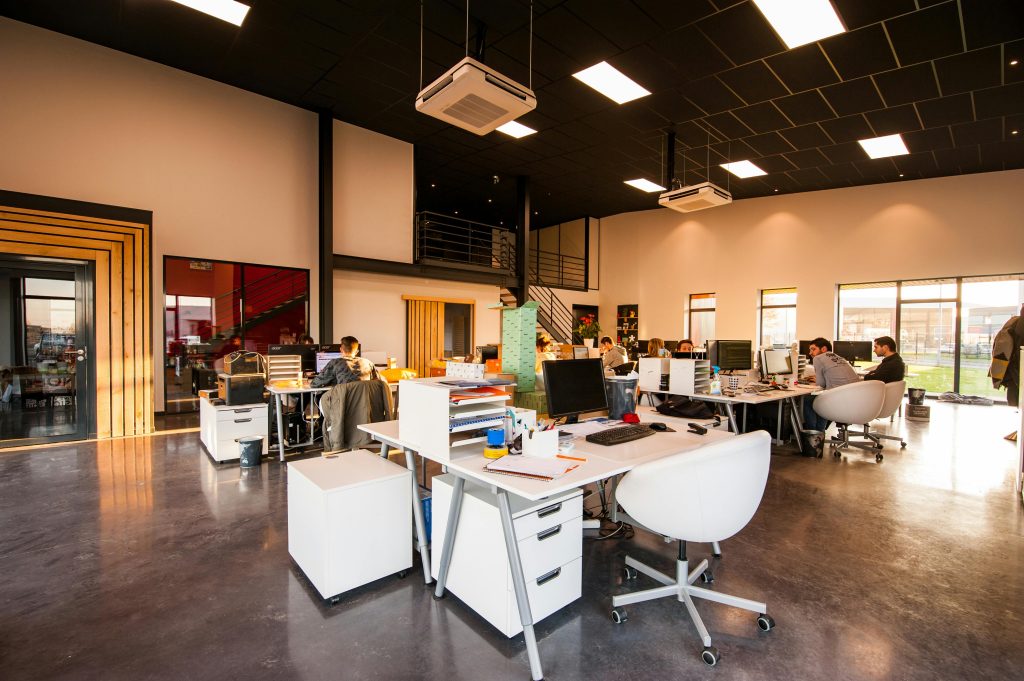
Studies in workplace ergonomics suggest that the most productive offices maintain specific temperatures between 68°F and 74°F (20–23°C). This supports comfort while minimizing fatigue and distraction.
When an office becomes unbearably hot or too cold, employees spend mental energy adjusting to discomfort instead of focusing on tasks.
Maintaining the ideal setting also helps prevent wasted energy caused by excessive thermal regulation. A properly calibrated HVAC ensures stable indoor conditions while supporting occupational safety goals recommended by workplace research and health administration guidelines.
OSHA and Workplace Temperature Guidance
While OSHA does not mandate a single exact office temperature, workplace safety guidance and health administrations suggest maintaining indoor environments that protect employees and prevent stress from hot or freezing temperatures. Employers are encouraged to ensure proper ventilation, functioning HVAC systems, and safe temperature conditions that support occupational safety standards.
Office Thermostat Settings: Practical Management Tips
Office managers can improve workplace temperature and productivity by actively managing the office HVAC system. A professional HVAC inspection ensures that systems function efficiently and distribute air evenly across the building.
Recommended steps include:
- Set the office thermostat between 70 degrees and 72 degrees Fahrenheit as an initial ideal setting
- Use multiple thermostats to control temperatures in different departments
- Avoid excessive air conditioning
- Adjust the thermostat setting slightly depending on seasonal changes, especially in winter
- Consult an HVAC professional to calibrate the system for energy efficiency
Proper temperature control not only supports employees but also reduces wasted energy costs.
Conclusion
Productivity depends on many environmental factors, and temperature is one of the most influential. Maintaining the optimal temperature for productivity—typically within 68°F to 74°F —helps improve efficiency, reduce error rate, and support employee wellness.
By using properly calibrated heat and air conditioning systems, thoughtful settings, and zone-based temperature control, organizations can create workplaces where employees remain comfortable, focused, and consistently productive.
Frequently Asked Questions
Is 72 degrees hot for an office?
A temperature of 72 degrees Fahrenheit is generally considered comfortable and productive for most offices. It falls within the recommended heat spectrum and balances temperature needs without creating frigid conditions.
However, employees located in spaces near vents or windows may feel colder or warmer, which is why localized thermostat adjustments or zone-based HVAC controls are helpful.
Does a cold office increase productivity?
Slightly cooler environments in the workplace can improve alertness, but extreme temps can reduce comfort and concentration over time. Offices that are too cold often lead to complaints, distraction, and reduced work efficiency. The most effective approach is maintaining balanced indoor conditions rather than pushing temperatures toward extremes.

